Liposuction Gallery



Warning:
This gallery contains nudity. Please click OK to confirm you are at least 18 years of age and are not offended by this material.
Ok
There is a reason that liposuction has been one of the most popular plastic surgery procedures for over a decade: it allows surgeons to sculpt a more svelte, proportional, and beautiful figure in both men and women. It is effective all over the body: under the chin, chest and breast, waist, and all the way down to the ankles.
If you have areas that store excess unwanted excess fat that doesn't respond to diet or exercise, liposuction can sculpt these areas in one convenient procedure performed by an expert in the artistry of your anatomy. Dr. Teitelbaum performs the safest, most advanced liposuction techniques to achieve your desired body contours.
Liposuction is wonderful because modern liposuction techniques afford the surgeon the potential ability to smooth, contour, sculpt, and refine their patients' bodies. Bulges can be removed, unwanted curves smoothed, areas of disproportion brought into balance, and beautiful physiques refined and elevated. This can produce extraordinary results that leave patients simply ecstatic. Old clothes look better than ever; fashions previously un-wearable look great; and areas of embarrassment become sources of pride.
Patients sometimes think that liposuction is a substitute for weight loss, but of course it is not. If an individual is overweight and that fat is well distributed, then liposuction simply will not work in the long run. If someone eats more calories than they expend after liposuction, over time the body will store those fat cells, albeit in a different location than where the liposuction was done.
Liposuction excels for areas of disproportion. That does not mean that a patient has to be thin; it only means that there needs to be an area that is disproportionate such as a bulge or a shape that does not flow harmoniously with the surrounding areas.
Dr. Teitelbaum has experience with every major type and style of liposuction, including tumescent, syringe, power, standard, and ultrasonic. He has lectured about laser liposuction, including Smartlipo™. The outcome from liposuction is a result of the surgeon's aesthetic judgment and technical prowess rather than from the device itself. The different liposuction devices are just different tools; Dr. Teitelbaum uses his expertise to deliver to patients the best results possible.
Dr. Teitelbaum can do liposuction on patients awake, with IV sedation, or with general anesthesia. The final choice is based upon the areas being treated, patient preference, and what Dr. Teitelbaum believes will be safest for the patient.
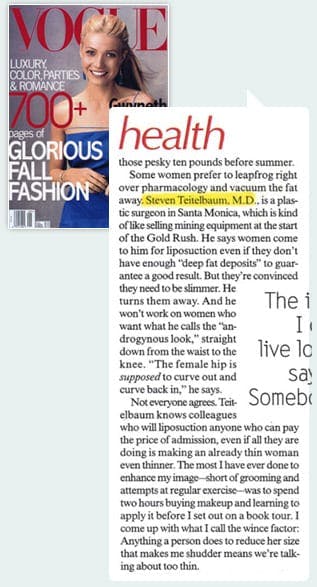
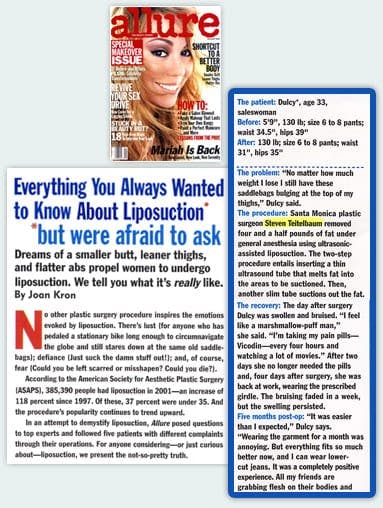
A fundamental aspect to Dr. Teitelbaum's liposuction philosophy is that the patient must play a significant role in developing the surgical plan.
Dr. Teitelbaum wants to hear exactly what bothers you: where clothes are tight; the things you do not like to see in clothing; whether any areas are embarrassing to you; whether there are areas that consistently make you not like photographs of yourself; and how you think you can look better.
He will determine from his exam what the basis is for your complaint. A bump? A valley? He may suggest treating areas adjacent to the places you mentioned because often the area of concern needs to be considered as it relates to surrounding fat deposits. Then, together with you, he will craft a surgery that is specific to your body and ideal for you.
From a technical point of view it is about a surgeon having a great eye and ability to see in three dimensions. Technical expertise is required in order to remove fat so that a smooth contour remains. But the most important factors are not technical: it is deciding what will look best cosmetically, and determining how much of a fat removal the skin will allow.
On its simplest level, people want to look thinner and liposuction makes patients thinner. While thin is a goal, it should not be the only goal; in fact looking attractive with a beautiful contour is even more important. So deciding how much to remove where is very important. It is like the old joke about the sculptor who is asked how he can sculpt an elephant from a piece of marble. And the sculptor says that all you need to do is remove what is not an elephant!
So the key in liposuction is planning what really should be removed. But even if a lot would ideally be removed, this can only be done if the skin overlying those areas is of sufficient quality to contract back after the fat is removed. Though some patients would rather be skinnier even if it means looser skin, some do not. Anticipating how the skin will retighten is an imprecise process, but it must be done and discussed with the patient in order to plan the surgery.
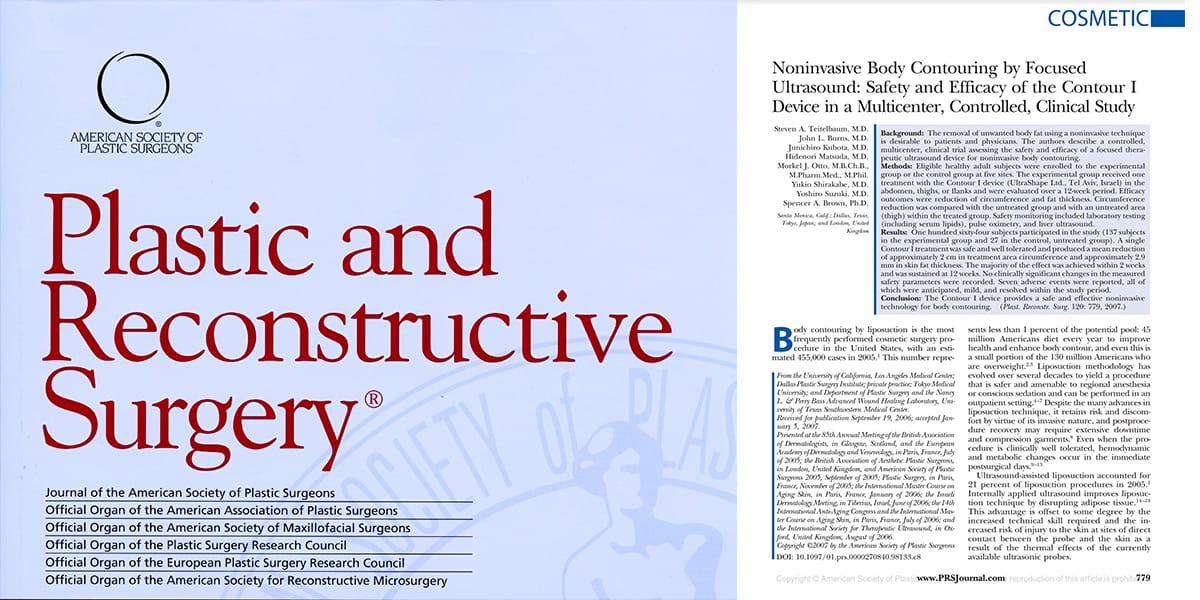
Liposuction can remove a bulge of fat in nearly every area of the body. Here are the areas in which it is most commonly requested:
Liposuction in this area is also known as "submental" liposuction, and it creates some of the most dramatic changes. Some people have a double-chin or a lack of definition of the jaw that suggests they weigh more than they do. It can look less youthful, sexy, healthy, and athletic. So long as the skin in the area is not loose, liposuction in the neck/chin area yields terrific results. This is one area of the body in which men seek treatment as often as women.
Excess fat in the male chest is very common and this condition is also known as gynecomastia. Liposuction can be very effective at sculpting chests, though some men have significant glandular tissue that cannot be removed with suction alone and needs to be excised. For some men the problem is predominantly excess fat; for some it is firm glandular tissue, and for other men it is a combination of both which result in the need for male breast reduction surgery.
Most breast reductions are done with fairly significant incisions. Since most large breasts are also droopy, a lift is usually an integral part of a breast reduction. However, for women whose breasts are already very high, who have good skin, who do not think they need a lift, and for those who want to avoid scars, breast reduction by liposuction, the so-called "no scar breast reduction," is an answer to their problem.
The abdomen is the most frequently requested area for liposuction. When the fat layer is thick and the skin is tight and elastic, fabulous results are obtained. Unfortunately, abdominal skin frequently develops cellulite and small irregularities, even in women who have not had children. This problem can be even worse after children, and liposuction can sometimes deflate this area, worsening the appearance of cellulite. This is of course not always the case, but it is critical to assess for this problem. While an ideal male body is typically flat from chest to pubic area, an ideal female proportion has something of a convexity between the pubic area and the belly button. If this area is made too flat, there is a slight masculinization of that area which can be very unattractive and often somewhat odd seeming on a woman's body. The abdomen, therefore, is an area in which the wise patient and careful surgeon choose to not be aggressive. There is nearly always far more of an improvement to gain from performing liposuction in the flanks/hips/love handle area.

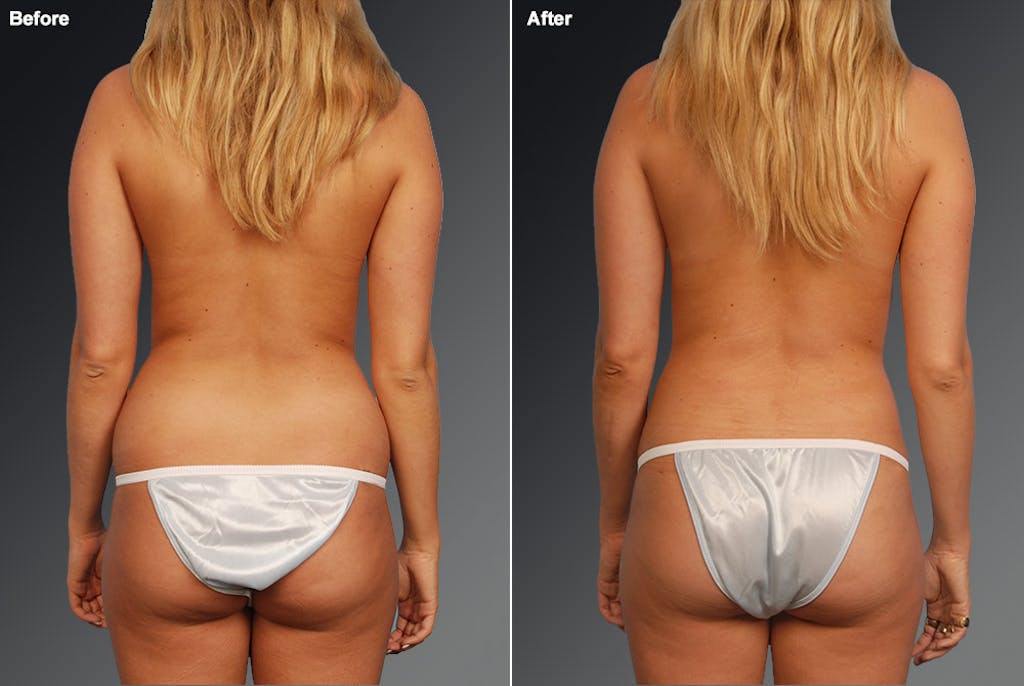
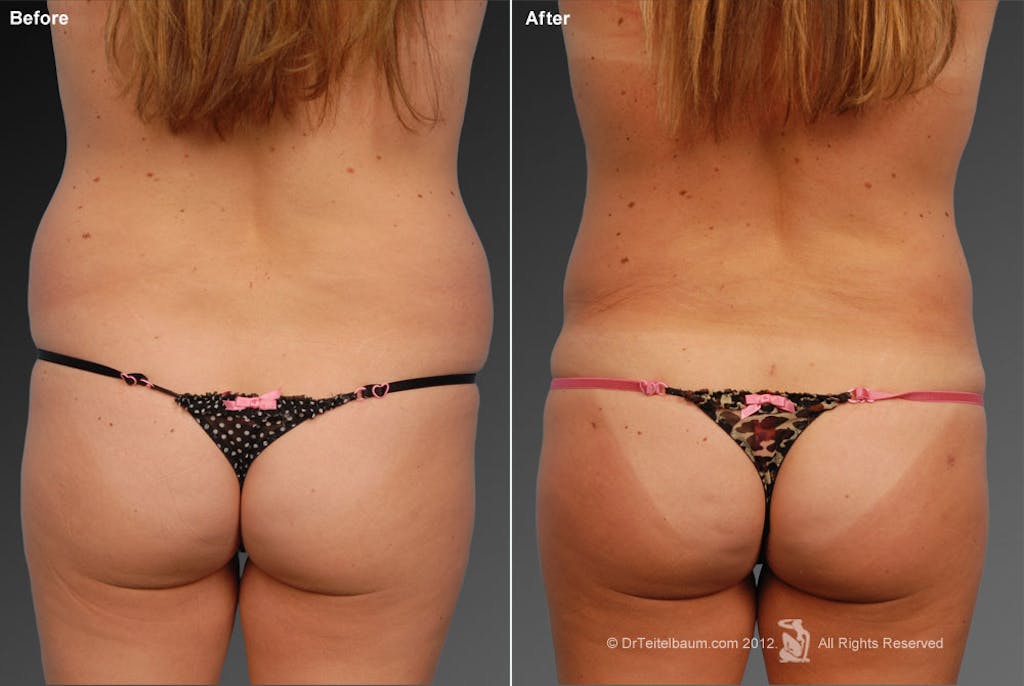
There are two reasons that this part of the body is the very best for liposuction: First, nearly everyone holds more fat in this area than they realize. Pinch your stomach and squeeze your love handle area in your hand; almost everyone has more fat in the love handles. Second, the skin in this area is thick and nearly always contracts after fat is removed and therefore rarely develops any cellulite. Most people blame their tight pants on the fat in their stomachs, but there is usually much more fat around the back, and treating this area does more to help people tighten their belt than does treating the front. As jeans get tighter, even thinner men and women are getting "muffin tops," and it is liposuction of the low back that most helps this area.
The back of the arms is an area that is frequently requested for liposuction. Whether at an ideal weight or a bit overweight, many women disproportionately store fat in the back of their arms compared to the rest of their body. Other women have some excess fat out to the sides of their arms, which makes their torso appear wider than it should. As long as the patient's skin has good elasticity, liposuction of the arms creates a tremendous improvement that patients really love.
The area over the shoulder blades is another region that can be made thinner with liposuction. Women will complain about how they feel fat bulging on either side of their bra strap. Liposuction in this area rarely removes a very large quantity of fat, but nevertheless helps to tighten the area up and can yield a very noticeable improvement for the patient.

Liposuction of the outer thighs, more than liposuction in any other area, narrows a woman's physique and make her look more svelte. A good liposuction surgeon will always be sure to leave a slight curve in that area because it is easy to over-flatten the area, yielding a result that looks operated upon, boyish, or just simply unattractive. It is difficult to impossible to correct an outer thigh that has been over-treated with liposuction. It is also important to keep the outer thigh in proportion to the hip area. Oftentimes a patient wanting liposuction of her outer thigh should consider liposuction of her hips: if a patient with wide hips narrows her outer thighs, her buttocks can look square. By treating the hips in such patients, a greater amount can be removed from the outer thighs while maintaining an ideal physique.
Inner thighs are a very commonly requested area for liposuction and the results can be excellent. Other people will not always notice a difference after you have liposuction of the inner thigh, but it is something that you will see and, importantly, feel. Your pants won't be as overly snug and your legs will rub less. Liposuction of the inner thighs will also make the outer thighs seem smaller because when the thigh circumference decreases, pants will drape better over the outer thigh. By avoiding lines of pull over the outer thigh, the outer thigh will look smaller.
Some women are very lean over the front of their thighs, while others carry substantial excess anterior thigh fat. Liposuction of the front of the thighs is very effective for reducing fat along the front of the thighs, thereby thinning the entire thigh and making it appear longer. Many women who complain about their inner and outer thighs often have an excess of fat in the front. If just the inner and outer thigh were to be done, then the thigh would be narrow but overly projecting and fat looking; treating the front of the thigh is critical to make the thigh look thin and ideal.
While many women ask for liposuction of their buttocks, it is only occasionally done because the skin of the buttocks does not tend to contract down nicely after liposuction. The result can be a buttock that looks deflated and even a bit saggy. Dr. Teitelbaum only does buttock liposuction when the skin is tight and the buttocks are clearly overfilled. However, the benefits in contouring the region by doing liposuction of the hips and outer thighs can make buttocks look smaller and better shaped.
Some women have excess fat in their mons pubis area, which creates an embarrassing bulge in their clothes. This is often seen in women who have lost weight, who have had tummy tucks, or who have had lots of liposuction elsewhere on their bodies. There are also thin women who have never had any surgery who suffer from this. A small amount of gentle liposuction can produce a very significant change to this area for which patients are extremely satisfied. Fat in this area is generally lost with age, and in fact sometimes fat is injected into this area if it thins out too much in order to restore a youthful appearance. It is therefore crucial to understand that this is an area that must never be over-treated.
Liposuction works well for the bulge in between the knees and the bulge that can occur just above it. Reshaping the bulge between the knees emphasizes the leg's natural narrowing from the thigh towards the ankle, and makes the legs much longer and more attractive. Liposuction also works well for the bulge above the knee in the front, but only if the skin is of good quality. Some individuals feel their knees rub together, and liposuction of the knees can cure them of this problem. Some people have issues with loose or rippled skin above the knee, but liposuction does not address those complaints.
Liposuction of the calves and ankles involves the longest period of swelling after liposuction, but the results can be dramatic. Women will talk about starting to wear skirts and dresses. They will be able to buy boots that they could not previously fit into. Calf and ankle liposuction is often a major change for the women who get it done, and they are typically among the most gratified patients in plastic surgery.
It is not a procedure recommended to someone just trying to make her legs a little thinner. This is for someone who may be relatively straight between the ankle and the knee, or someone who does not have definition in the ankle area. For the individual with the patience to wear compression stockings for months after the surgery, liposuction of the calves and ankles is a phenomenal procedure.
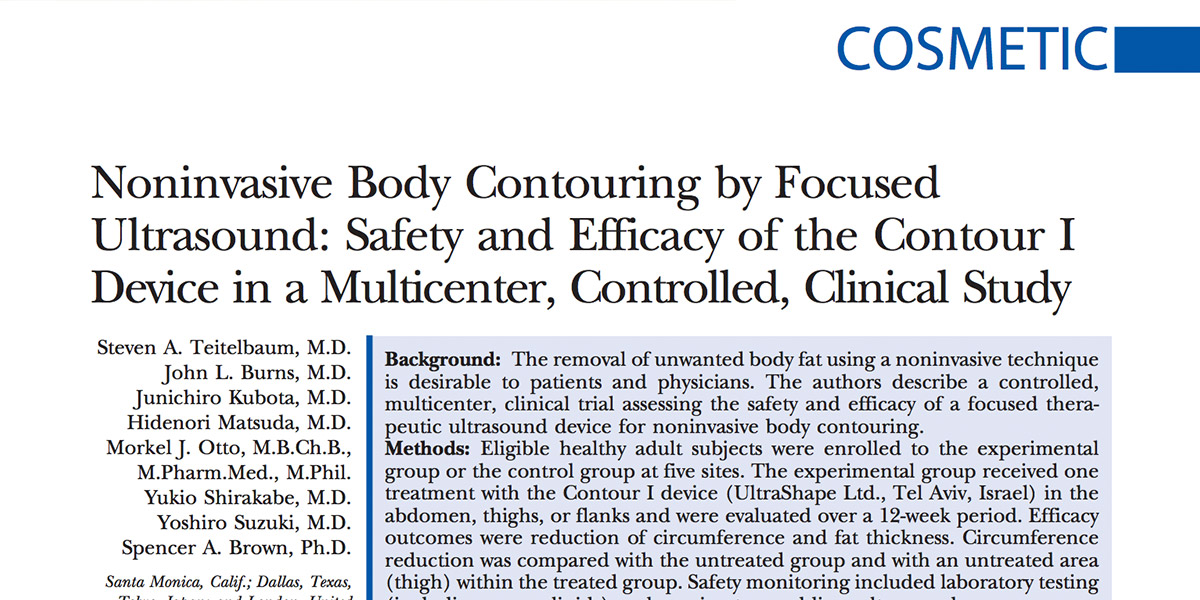
Dr. Teitelbaum has performed liposuction since 1995 on many hundreds of thrilled patients. He was one of the first surgeons to use Ultrasonic Liposuction; he has lectured on liposuction to other surgeons; and he teaches liposuction to plastic surgery residents.
He has treated nearly every area of the human frame in patients of nearly every body type. His discerning eye, meticulous technique, and marvelous sense of proportion enable him to deliver outstanding results again and again.
With his longstanding interest in art and sculpture, Dr. Teitelbaum is passionate about the refinements he can make to his patients' figures. For more questions about having liposuction in Los Angeles contact Dr. Teitelbaum at 310.315.1121.